Key Takeaways
- HR career transformation is underway, thanks to AI tools that are redefining roles and expanding responsibilities.
- Hybrid roles in HR, such as Data Translators and Workforce Planners, reflect the significant shift in job descriptions.
- AI tools in HR streamline processes like onboarding, allowing professionals to shift focus from administrative tasks to strategy.
- Global talent acquisition is now possible with AI, facilitating cross-border HR management and operations.
- Soft skills, including empathy and adaptability, remain essential amidst technological advancement in HR.
- Learning new AI skills is crucial for HR professionals to thrive in a transformed job landscape.
- Embracing AI elevates HR roles, helping professionals advance their careers and maintain relevance.
As the modern workplace evolves, traditional roles within human resources (HR) are experiencing a seismic shift, primarily driven by artificial intelligence (AI). This transformation holds considerable promise, offering HR professionals an opportunity to redefine their career paths, expand their skill sets, and enhance their relevance in a rapidly changing landscape.
Unpacking the HR Transformation
The integration of AI into human resources isn’t just about implementing new tools; it’s a comprehensive transformation that is redefining what it means to work in HR. The transition requires a shift from traditional administrative tasks to roles that combine analysis, strategy, and human connection. This evolution opens the door to new hybrid roles such as HR Data Translators, AI-driven Workforce Planners, and Employee Experience Architects.
The Rise of Hybrid Roles
- HR Data Translators: These professionals bridge the gap between data analytics and HR strategies. They interpret data to drive decisions that enhance workforce planning and employee engagement.
- AI-driven Workforce Planners: They leverage AI to create optimal workforce plans. Using predictive analytics, these planners forecast future staffing needs, identify talent gaps, and provide solutions to maintain a robust workforce.
- Employee Experience Architects: By employing AI insights, these architects design immersive and personalized employee experiences that foster engagement, satisfaction, and retention.
Streamlining Processes with AI
AI tools are revolutionizing HR processes by automating and optimizing various administrative tasks. Consider the onboarding process: AI can now manage document completion, personalize the new hire experience, and identify potential issues before they arise. This allows HR professionals to redirect their focus toward strategic discussions around culture, organizational fit, and employee retention.
Global Talent Acquisition and Management
AI is dissolving geographical barriers in talent acquisition. By enabling remote work and facilitating talent management across time zones, AI assists HR professionals in overseeing a global workforce. Automated systems aid in conducting cross-border interviews, ensuring compliance with local laws, and managing international employee benefits.
The Essential Soft Skills
Despite the growing influence of AI, soft skills remain irreplaceable. Empathy, communication, and adaptability are crucial for fostering a supportive and dynamic workplace environment. HR professionals equipped with these skills will continue to play vital roles in mediating and connecting with the human elements within their organizations.
Upskilling for the AI Era
For HR professionals, embracing AI begins with upskilling. This involves:
- Understanding AI Capabilities: Familiarize yourself with what AI tools can achieve and how they integrate into HR practices.
- Data Literacy: Develop the ability to read and interpret data, transforming analysis into actionable insights.
- Continuous Learning: Engage in courses and workshops related to AI and HR tech, ensuring you stay ahead of industry trends.
Embracing the AI Mindset
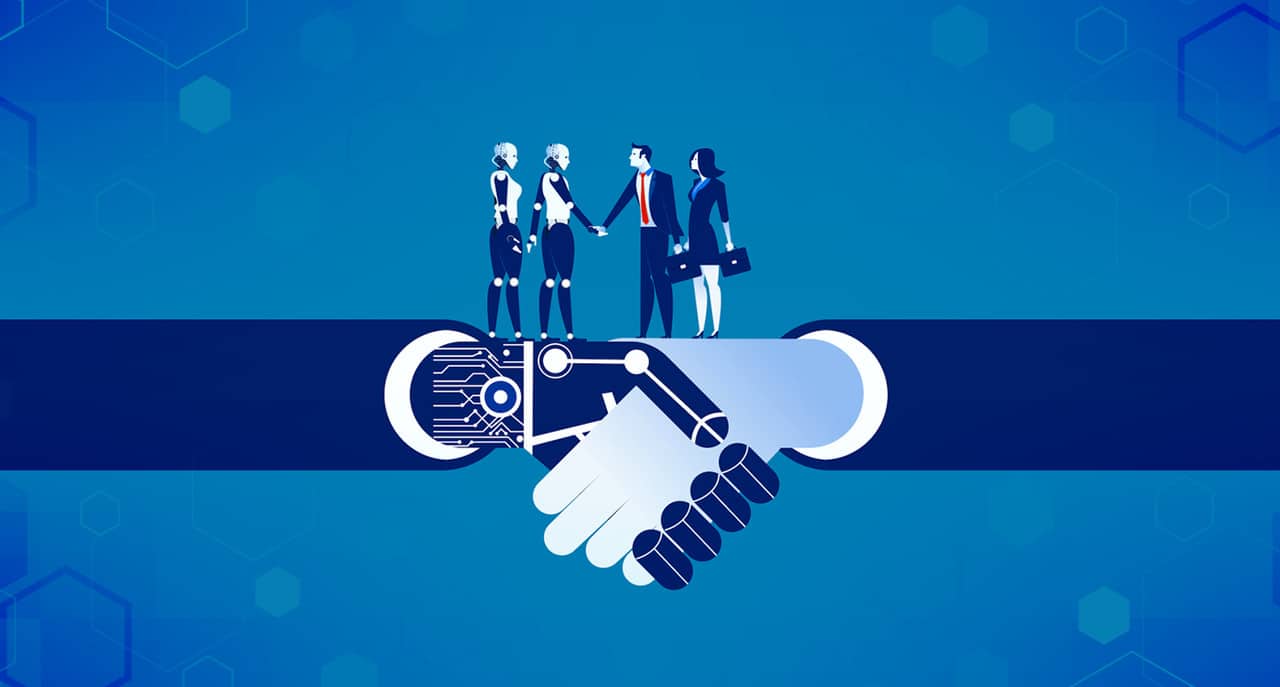
Adopting AI requires a shift in mindset. HR professionals must view AI as an ally rather than a threat, one that can elevate their roles and future-proof their careers. This proactive approach positions HR leaders to adapt and lead effectively in an era where change is the only constant.
AI is not just a technological advancement; it is a transformative force reshaping the future of human resources. By embracing AI, HR professionals can redefine their roles, increase their strategic influence, and secure their career longevity.