

In today’s rapidly evolving work environment, remote work is often blamed for various organizational inefficiencies. However, the reality is more nuanced. The issues frequently attributed to remote work are often symptomatic of deeper organizational challenges that require attention. It’s time to scrutinize these underlying issues, understand their impact on the modern workforce, and explore practical solutions to empower businesses and employees alike.

The Benefits of a Four-Day Workweek: A Paradigm Shift in Work Culture
In recent years, the concept of a four-day workweek has gained substantial traction across various industries. As businesses grapple with ways to enhance productivity and employee satisfaction, reducing the traditional five-day work routine is emerging as a compelling solution. This trend is supported by numerous studies and trials, demonstrating that a compressed workweek can lead to myriad benefits for both employers and employees.

AI and the Future of Work: Bridging the Gap Between Automation and Opportunity
The rise of artificial intelligence (AI) marks a pivotal moment in modern history, echoing the transformative power of the Industrial Revolution. Today, AI is reshaping industries at an unprecedented pace, automating roles in diverse fields once regarded as untouchable, including legal research, medical diagnostics, and software coding. Yet, this evolution brings both challenges and opportunities. As AI continues to permeate the workforce, understanding how to harness its potential to create new job opportunities and promote economic inclusion is crucial.

Microsoft Researchers Reveal Top 40 Roles at Risk from AI Disruption
The rise of artificial intelligence (AI) is an undeniable force that is changing the landscape of the job market at a rapid pace. With giant tech companies like Microsoft, Amazon, and IBM pioneering innovations in AI, various professions are now witnessing unprecedented transformations. This blog post delves into the findings by Microsoft regarding job exposure to AI, the consequential changes in hiring practices by leading companies, and the future of work in healthcare and education sectors.

How to Turn Onboarding Into a Process That Truly Welcomes New Hires
In today’s fast-paced business environment, effective onboarding is more crucial than ever. It sets the tone for new employees and can significantly impact their engagement, productivity, and retention. Yet, many organizations still treat onboarding as a mere formality, missing out on the opportunity to make new hires feel truly valued.
Ethical AI and Tomorrow’s Workforce: What Employers Must Understand Today
The integration of artificial intelligence (AI) into human resources (HR) is not just transforming how organizations manage hiring, promotions, and terminations. It’s setting the stage for a new era—one where ethical considerations and regulatory compliance become central to business strategy. In this blog post, we delve into the implications of this transformation, exploring how businesses can effectively implement ethical AI practices that both align with new regulations and reinforce trust among employees and consumers.

Mastering Talent Acquisition: Crafting a Cohesive Hiring Strategy
In today’s competitive job market, the strategy behind hiring can make or break an organization’s ability to attract and retain the best talent. This blog post delves into the intricacies of building a cohesive hiring strategy—an essential framework that aligns people, purpose, and tools. By understanding the invaluable insights from industry leaders such as Nicole Belyna and Chris Courneen, we will explore the components of a successful recruitment strategy that supports long-term growth and innovation.

Human Resources 3.0: Redefining Work with a People-First Mindset
In today’s fast-evolving work environment, where employee expectations and corporate responsibilities are at unprecedented intersections, Human Resources (HR) is undergoing a revolutionary transformation. This evolution, often dubbed HR 3.0, emphasizes a people-first culture, placing employee well-being at the center of its strategy. But what does this transformation entail, and why is it crucial for organizations aiming to thrive in the competitive global economy?
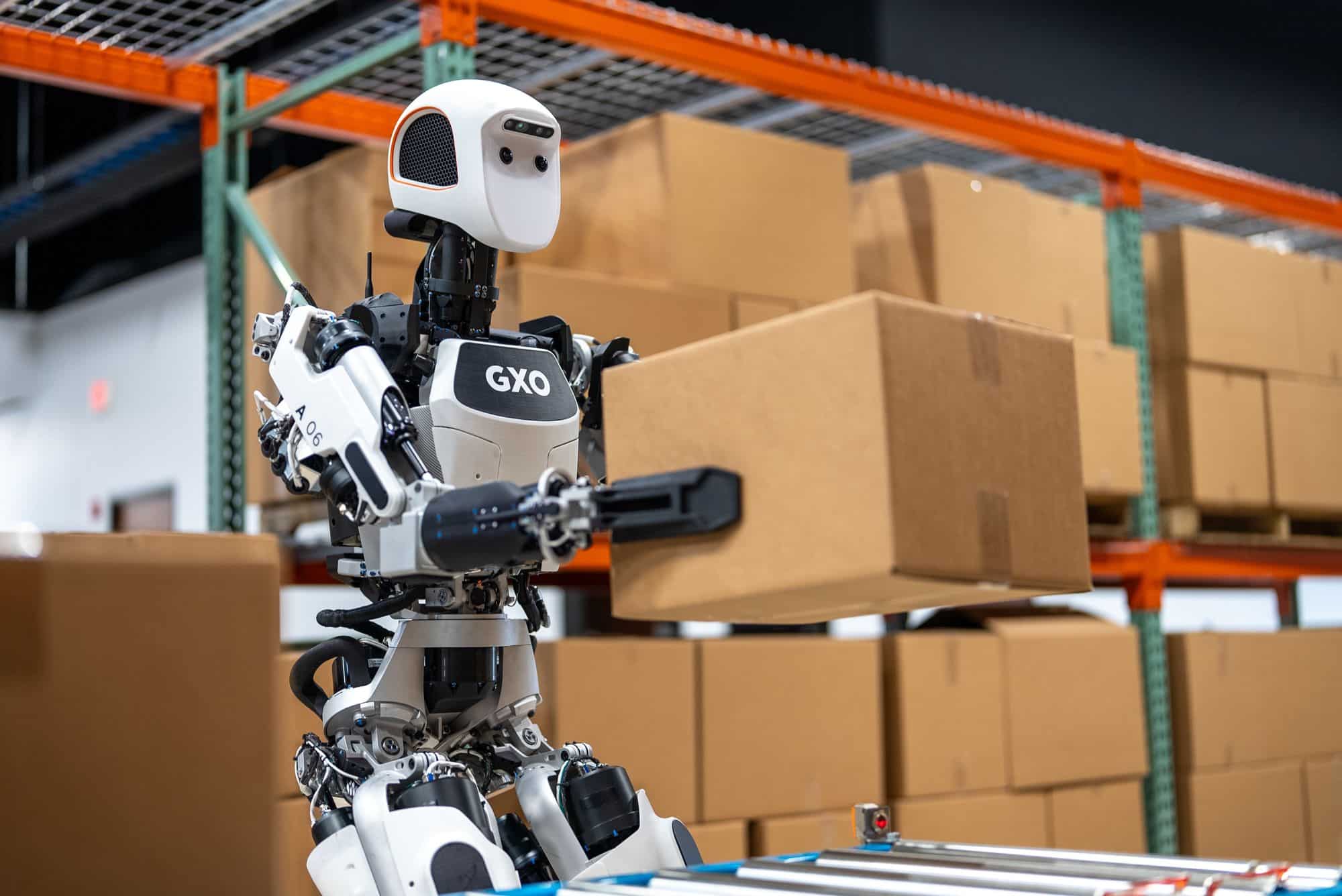
Rethinking HR in the Age of Intelligent Agents
Welcome to the new frontier of business operations where digital employees are becoming essential assets in organizations across the globe. As we transition into an era where artificial intelligence seamlessly works alongside human staff, several critical discussions arise concerning the legal framework, strategic management, and overall integration of these AI entities. In this blog post, we delve into the intricacies of digital employees, exploring their
Top AI-Proof Jobs with High Growth and Salaries in 2025
As we venture further into the digital age, the rise of artificial intelligence (AI) is reshaping the employment landscape. Workers worldwide are questioning their job security in light of these technological advancements. In response to these concerns, Resume Genius has released its much-anticipated 2025 report, highlighting AI-proof jobs with promising growth and lucrative salaries. Let’s delve into the details of these careers and explore why they remain resilient against the march of automation.