Key Takeaways
- Digital employees are increasingly being integrated into companies, working alongside human staff.
- Legal discussions are necessary around the personhood and rights of AI, with potential implications for how they’re treated under the law.
- The concept of “electronic agents” may arise to address liability and ethical considerations for digital employees.
- The idea of creating a legal status for AI, such as “electronic persons,” could help fill the gaps in existing liability frameworks.
- Managing digital employees is viewed as a strategic necessity for businesses moving forward.
Welcome to the new frontier of business operations where digital employees are becoming essential assets in organizations across the globe. As we transition into an era where artificial intelligence seamlessly works alongside human staff, several critical discussions arise concerning the legal framework, strategic management, and overall integration of these AI entities. In this blog post, we delve into the intricacies of digital employees, exploring their roles, the legal implications of their personhood, and the strategic necessity they pose for contemporary businesses.
Understanding Digital Employees
What are Digital Employees?
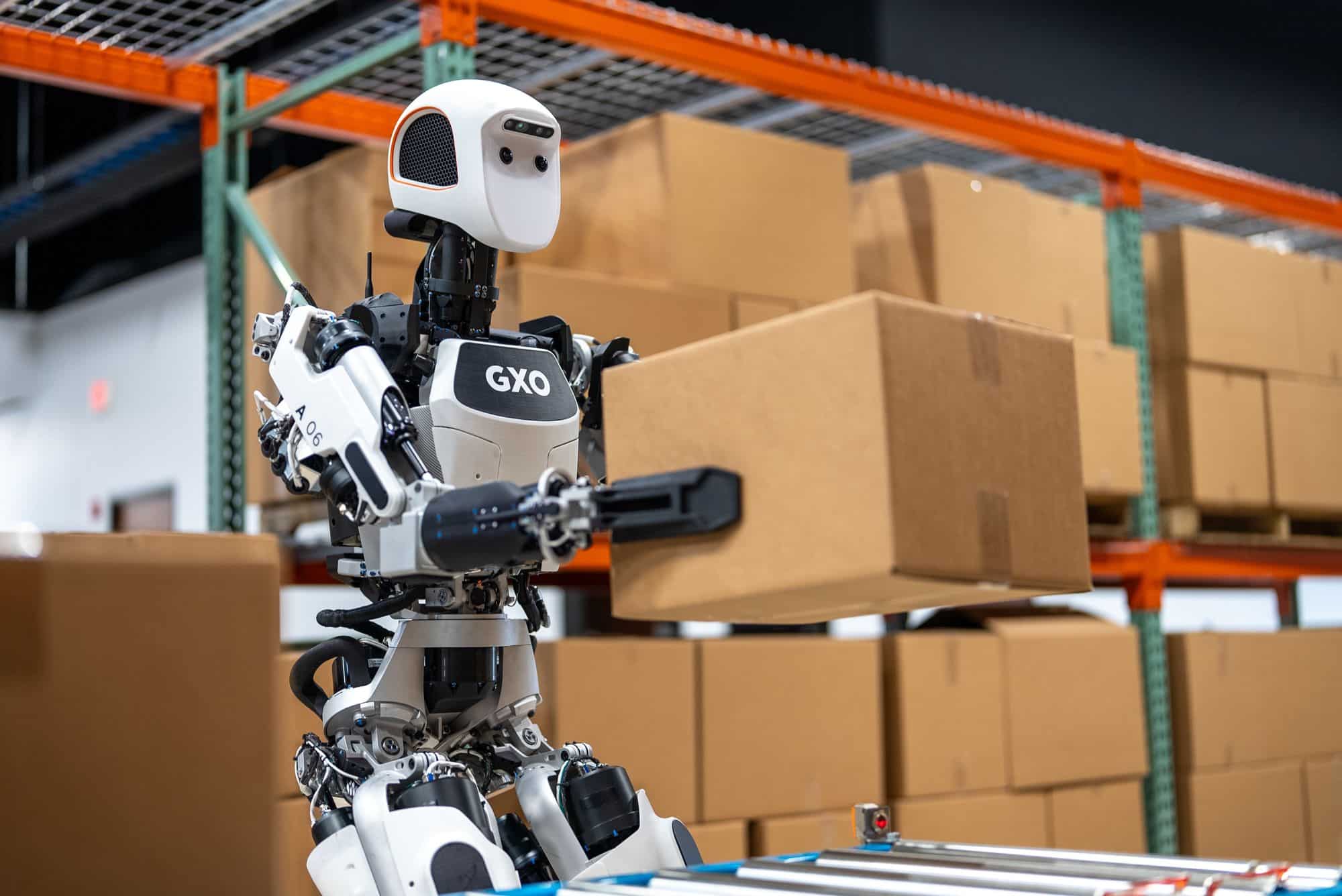
Digital employees, or AI agents, represent a new wave of technological innovation designed to autonomously execute tasks traditionally performed by human workers. Unlike traditional software that operates solely on predefined instructions, digital employees can learn, adapt, and make decisions akin to human staff. This capability allows them to perform complex tasks, improving efficiency and productivity in various business sectors.
The Legal Landscape: Navigating AI Personhood
Legal Discussions Around AI Rights
As digital employees become more prevalent in the workplace, legal frameworks face challenges regarding the treatment and rights of these AI entities. The personhood of AI—whether AI can or should be treated as a legal entity—is a hotly debated topic. This discussion revolves around questions of liability, ethical considerations, and the potential need for a new classification, such as “electronic agents.”
Potential Legal Status: Electronic Persons
One proposed solution is the creation of a specific legal status for AI, such as “electronic persons.” This status would enable the handling of liability issues and gaps in the current legal frameworks when highly autonomous systems act without direct human oversight. This recognition could provide a more pragmatic legal approach, mirroring the way corporations are treated as legal persons under existing law.
Strategic Integration: The Necessity of Digital Employees
Why Digital Employees are a Strategic Imperative
For businesses at the forefront of technological advancement, managing digital employees is no longer just a technical or niche IT issue; it has become a strategic board-level imperative. The integration of digital employees offers multiple advantages, including enhanced operational efficiency, reduced risk of human error, and the ability to perform repetitive or complex tasks without fatigue.
Challenges for HR Departments
The introduction of digital employees presents unique challenges for traditional Human Resources (HR) departments. Key issues include:
- Talent Management: Adjusting recruitment and talent management strategies to include AI capabilities.
- Training and Development: Creating protocols for the ongoing training of digital employees to ensure they remain aligned with organizational goals.
- Ethical Oversight: Establishing ethical guidelines for the interaction between human and digital employees to maintain a healthy workplace environment.
Embracing digital employees as part of the workforce requires careful consideration of the legal, strategic, and operational aspects of their integration. As businesses recognize the potential of AI agents, the establishment of appropriate legal frameworks and strategic management practices becomes vital. Future-proofing operations by strategically leveraging digital employees could position organizations for long-term success in a rapidly evolving technological landscape.