
Staying HR compliant does not have to mean becoming an employment law expert. It means getting the basics right, creating consistent processes, and knowing when it is time to ask for help.
Here are a few places to start.

Staying HR compliant does not have to mean becoming an employment law expert. It means getting the basics right, creating consistent processes, and knowing when it is time to ask for help.
Here are a few places to start.

Staying compliant doesn’t have to be overwhelming. Here’s where to focus in 2026.
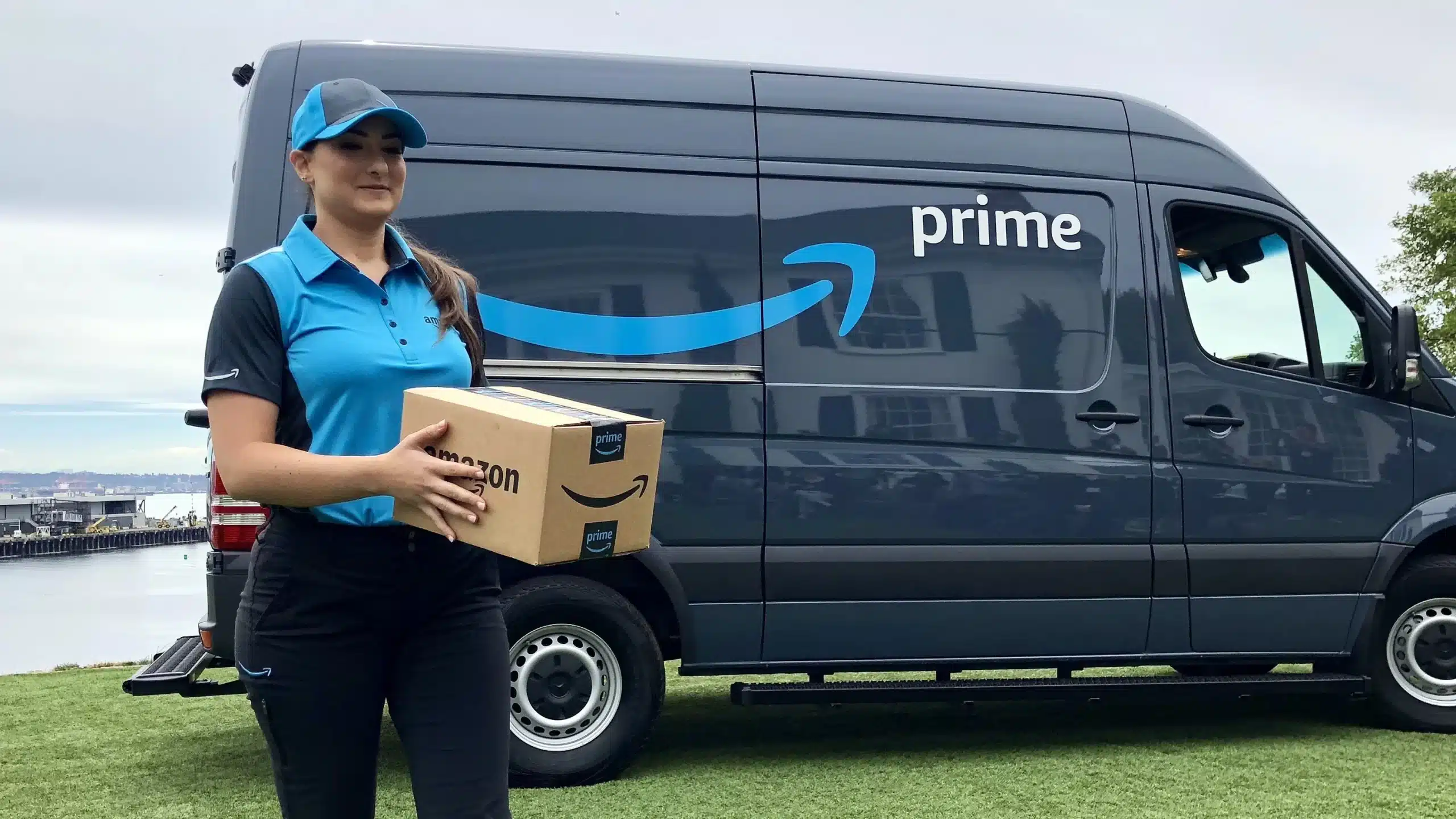
In today’s fast-evolving technological landscape, the integration of Artificial Intelligence (AI) into business operations is inevitable. Yet, it brings with it complex challenges that echo deeply within the realms of ethics and legality. A prime example is Amazon’s recent backlash over its use of AI to handle requests for accommodations under the Americans with Disabilities Act (ADA). This controversy not only raises pertinent questions about the role of AI in Human Resources (HR) but also emphasizes the need for striking a balance between technology and human judgment.
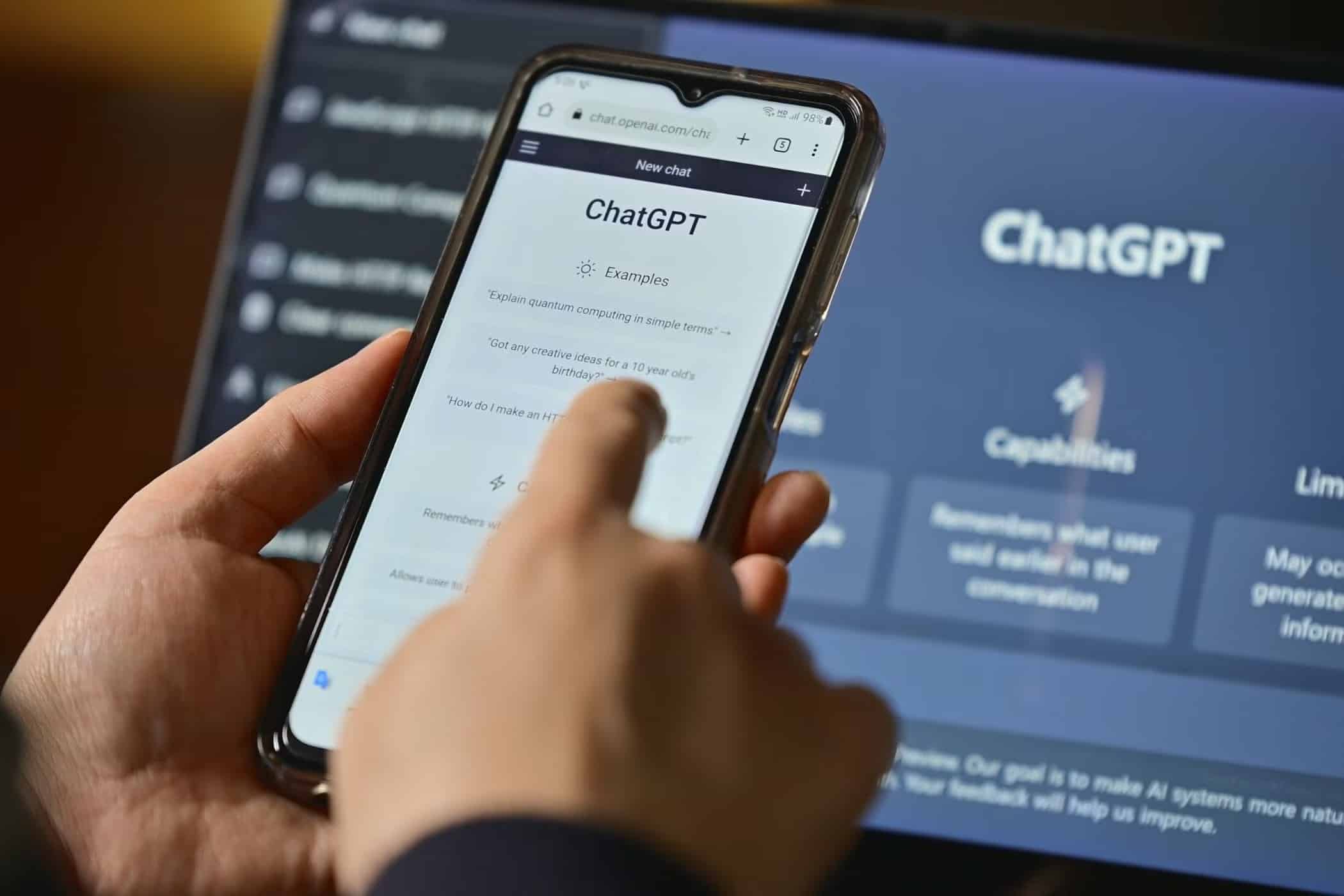
In recent years, the integration of artificial intelligence (AI) into various aspects of business operations has been nothing short of transformative. Nowhere is this more evident than in the field of human resources (HR), where AI technologies are reshaping how managers make some of the most critical decisions concerning personnel. While AI offers various advantages, it also raises significant ethical and practical concerns that merit attention.