Key Takeaways
- AI and human collaboration are essential in closing talent gaps and speeding upskilling.
- A mixed approach of human and AI collaboration is preferred by most workers across age groups.
- Demographic changes are leading to fewer entrants in the workforce, risking labor shortages in some sectors.
- AI has the potential to redefine team dynamics and roles by functioning as a teammate rather than just a tool.
- Investing in AI literacy and skill development is crucial for enhancing workforce readiness and adaptation.
- AI can facilitate knowledge transfer, mentoring, and coaching, benefiting both experienced and entry-level workers.
- Speed of delivery is a strong point for AI, but quality remains a domain where human input is valued more.
In the rapidly transforming landscape of the global workforce, artificial intelligence (AI) is not just an addition but a catalyst—reshaping how work gets done and redefining the roles humans play within their organizations. As we delve into the implications of AI-human collaboration, we uncover how this alliance is addressing demographic challenges, accelerating skill development, and ultimately shaping the future of work.
Embracing AI as a Workforce Ally
The Role of AI in Workforce Dynamics
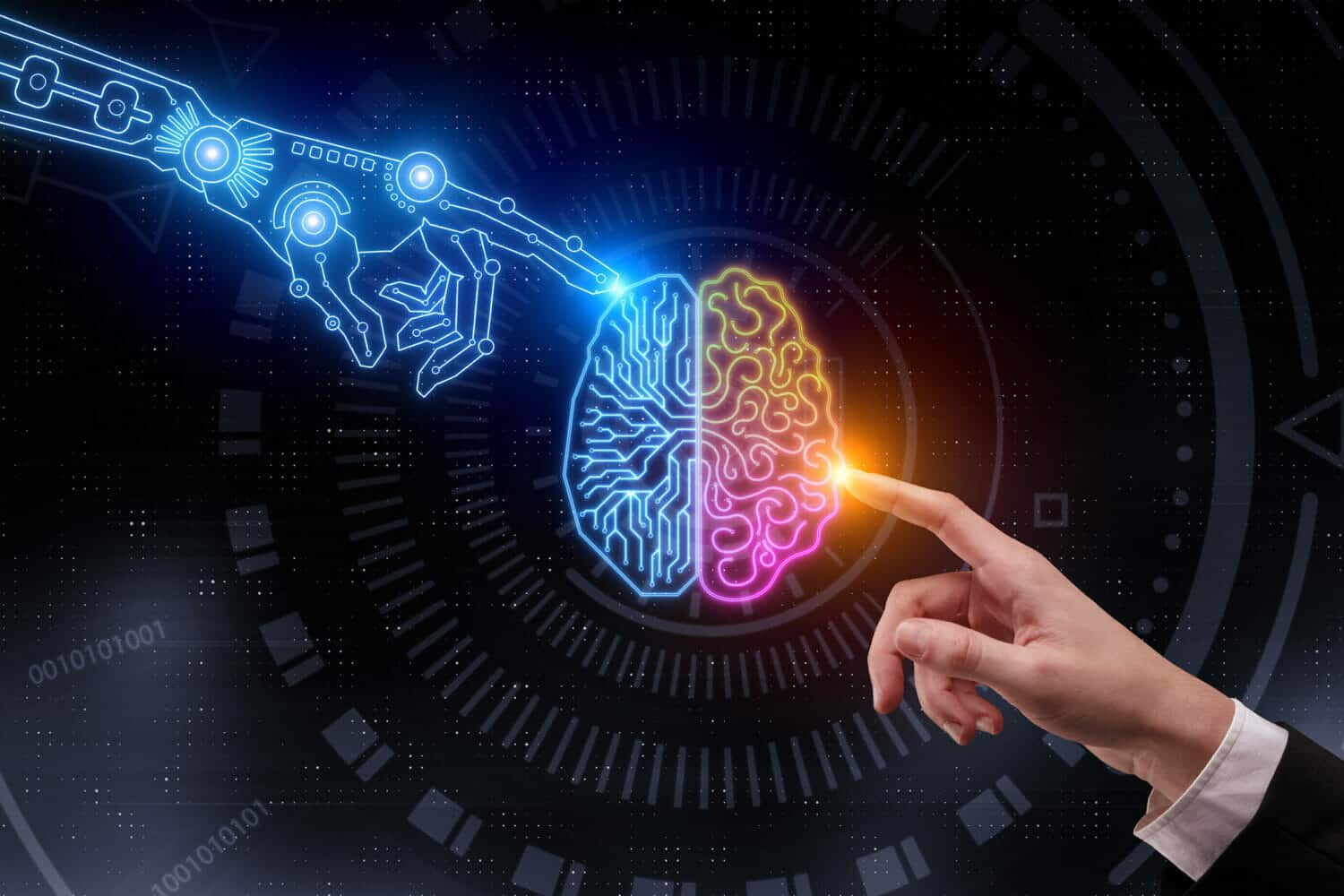
AI’s role in modern organizations extends beyond mere automation. Today, AI acts as an integral teammate, enhancing human capabilities while taking on routine and data-intensive tasks. This evolution is crucial as it allows human workers to focus on more strategic and complex problem-solving duties that require emotional intelligence—something AI is yet to master.
The Human-AI Collaboration Preference
Studies show that most workers, regardless of age, prefer a balanced approach that incorporates both AI tools and human interaction. This preference underscores the importance of fostering environments where technology complements, rather than replaces, human effort. Such a balanced approach enables organizations to leverage AI’s strengths without diminishing the value found in human judgment and creativity.
Navigating Demographic Challenges
Demographics and Labor Shortages
The global labor market is facing significant pressures from demographic shifts. With declining birth rates and an escalating number of retirements, particularly in mature economies, potential labor shortages loom large. These demographic changes necessitate a strategic response to sustain the pipeline of skilled workforce participants.
AI’s Role in Bridging Demographic Gaps
AI does not just contribute by automating tasks—it serves as a bridge to transfer knowledge and skills, helping organizations mitigate the losses associated with demographic shifts. By using AI tools that link seasoned professionals with entry-level workers, organizations can ensure that valuable institutional knowledge isn’t lost but rather amplified across the workforce.
Upskilling Through AI Integration
The Need for AI Literacy
As AI becomes ingrained in day-to-day operations, investing in AI literacy and skill development becomes paramount. Organizations must prioritize training programs that enhance AI fluency, ensuring workers are prepared to engage with AI tools effectively and drive innovation.
AI and Skill Development
AI also acts as an upskilling engine, particularly beneficial for entry-level workers who face barriers in gaining practical experience traditionally acquired through manual tasks. By providing real-time feedback and coaching, AI enhances these workers’ learning experiences, preparing them for more complex challenges earlier in their careers.
Quality vs. Speed: Striking the Right Balance
While AI excels in delivering tasks with unprecedented speed, the importance of human oversight, especially for maintaining quality, cannot be overstated. The challenge for organizations is to determine which processes are best left to AI and which should continue to rely on human expertise—an evaluation that requires thoughtful consideration and strategic planning.
Crafting an AI-Integrated Workforce Strategy
- Assess Organizational Needs: Understand which areas of your workforce can benefit most from AI while identifying tasks where human input remains paramount.
- Develop Comprehensive Training: Prioritize AI literacy programs that equip employees with the skills to use AI tools effectively.
- Foster a Culture of Collaboration: Encourage an environment where AI is seen as a trusted advisor or teammate, rather than a replacement for human roles.
- Monitor and Evaluate: Continuously assess the effectiveness of the AI-human collaboration to refine strategies and address any emerging gaps.
By embracing a strategic approach to AI integration, organizations can effectively bridge talent gaps and foster an adaptable, resilient workforce equipped to thrive in an evolving market landscape.