
Key Takeaways
- Change management is increasingly a top priority for HR leaders amidst AI-driven transformations.
- Hiring and retention concerns are gradually declining as change management occupies a larger role in HR agendas.
- Effective change management relies on viewing change as routine rather than a momentous event.
- New approaches are needed in change management, emphasizing flexibility and resilience to adapt to constant shifts.
- Jay Shetty highlights the importance of leaving behind outdated practices for innovation and adaptability.
- HR should focus on fostering connection among employees to navigate change successfully, as advised by Thasunda Brown Duckett.
In today’s rapidly evolving business landscape, change management has emerged as a vital priority for HR leaders, especially with the transformative impact of AI. As organizations face the pressure to adapt, it’s crucial to rethink traditional approaches to change management to keep pace with technological advancements and organizational shifts.
The Rising Importance of Change Management
Change management is not a new concept, but its significance has recently escalated, particularly for HR professionals. The advent of AI and digital transformation has shifted focus from longstanding priorities such as hiring and retention to strategically managing change. As change management gains traction, how can HR leaders effectively navigate these transformations?
The Decline of Hiring and Retention Concerns
While hiring and retention remain essential, they are no longer the top concerns for HR leaders. With AI-driven changes demanding immediate attention, HR now plays a pivotal role in fostering an environment conducive to digital transformation. This shift underscores the need for HR to focus on managing change more strategically.
Effective Change Management Strategies
Reframing Change as Routine
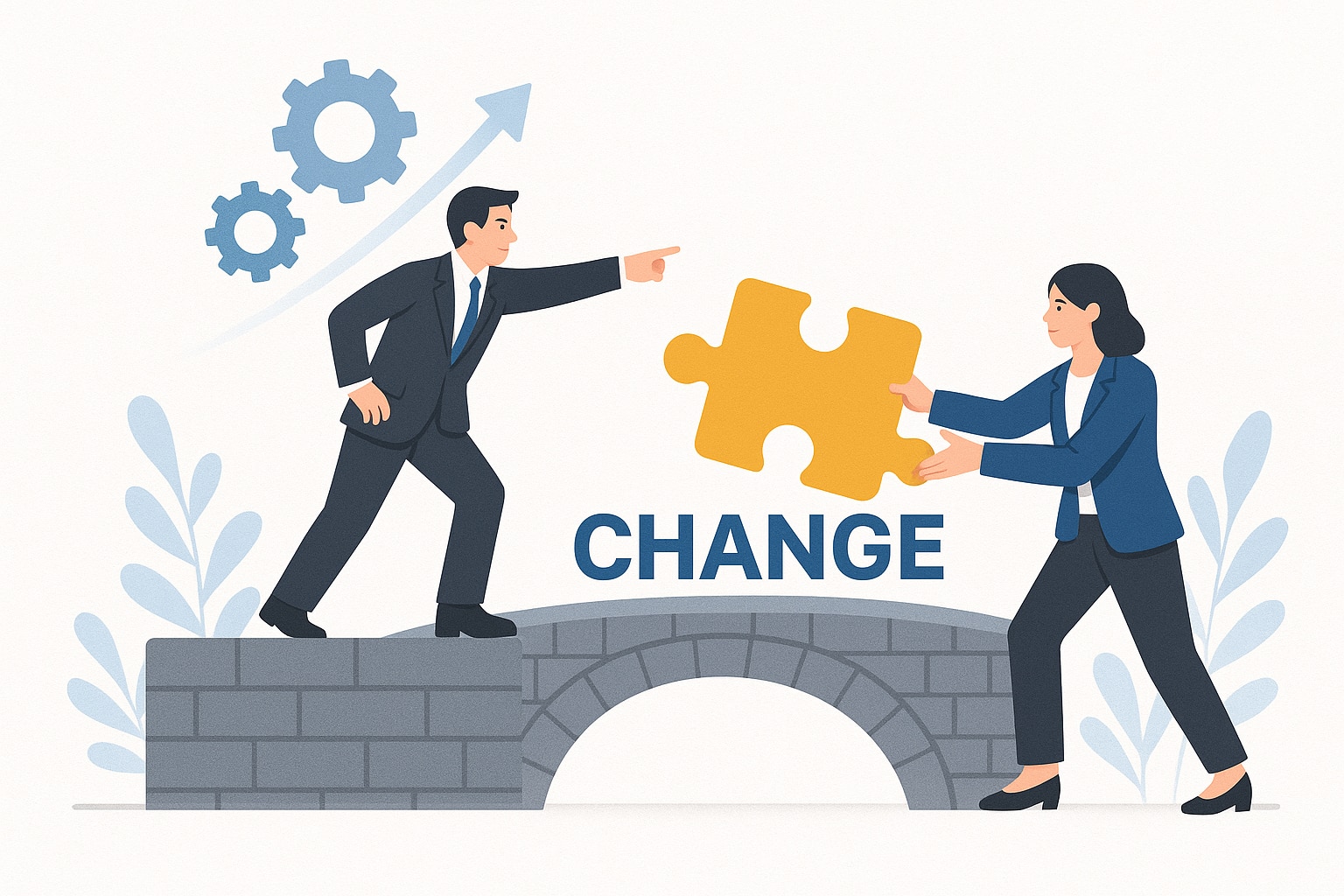
A crucial factor in effective change management is shifting the perception of change from a daunting challenge to a routine part of the organizational culture. Instead of seeing change as a monumental event, organizations thrive by ingraining adaptability and resilience into their everyday practices.
Embracing New Approaches
To navigate constant shifts, HR leaders must adopt new strategies that emphasize flexibility and resilience. The ability to pivot and adjust plans swiftly is integral to succeeding in today’s environment. By encouraging openness and curiosity, HR can lead their organizations through successful transformations.
Insights from Influencers
Jay Shetty on Innovation and Adaptability
Jay Shetty, a renowned thought leader, stresses the need to abandon outdated practices in favor of innovation and adaptability. His teachings remind us that clinging to old methods can hinder progress. Organizations must be willing to leave behind practices that no longer serve them to thrive in a rapidly changing world.
Thasunda Brown Duckett on Fostering Connection
To manage change effectively, HR must foster a deep connection among employees. As Thasunda Brown Duckett suggests, this camaraderie is crucial for navigating change successfully. When employees feel connected to each other and the organization, they are more likely to embrace change and work collaboratively toward common goals.
Practical Steps for HR Leaders
- Cultivate Awareness: Encourage managers to understand team needs and industry trends.
- Promote Flexibility: Empower teams to be agile and adapt to new challenges.
- Build Resilience: Help employees view setbacks as learning opportunities, strengthening their ability to bounce back.
Change management in HR is at a crossroads, driven by AI and digital transformation. To lead effectively, HR leaders must innovate, emphasize continuous adaptation, and cultivate a workplace culture that views change as an opportunity rather than a challenge. By adopting new mindsets and fostering strong connections, HR can lead organizations through successful transformations.