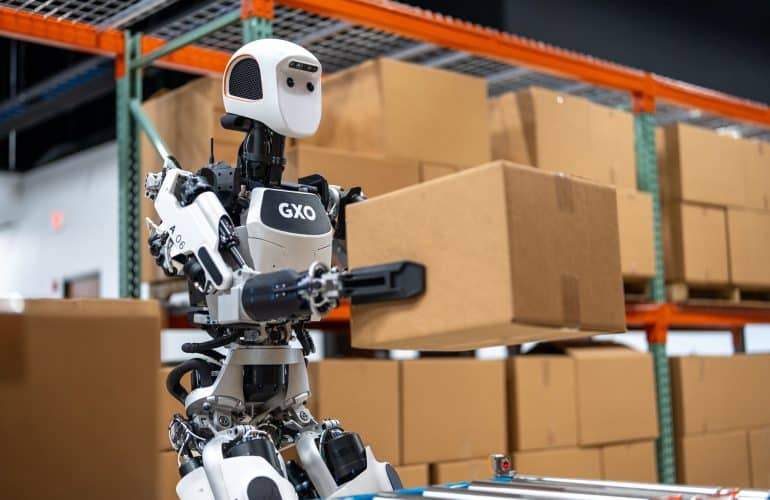

In today’s rapidly evolving work environment, keeping pace with technological advancements and adapting to industry shifts have become crucial for career longevity and success. As we look toward the next five years, specific skills will become increasingly significant in molding the workforce for a future that thrives amidst change. From AI literacy to emotional intelligence, here are the top 19 skills employees will need to ensure they remain relevant and effective.
The Importance of Evolving Skill Sets
As new technologies and methodologies continuously transform industries, the risk of skill obsolescence increases. Upskilling and reskilling are not merely strategic choices for maintaining competitiveness; they are essential in empowering employees and securing future success. By fostering a culture that values continuous learning, organizations ensure a motivated and agile workforce ready to tackle future challenges.
Core Skills for the Future Workforce
1. Adaptability
Adaptability will be crucial as industries and technologies continuously change. Employers are encouraged to invest in ongoing learning programs that promote a culture of growth, experimentation, and collaboration. This investment can lead to enhanced employee satisfaction and retention.
2. Data Storytelling
Converting complex analytics into actionable insights is a valuable skill. Employees with data storytelling abilities can drive better decision-making. Companies should prioritize training in data visualization and storytelling techniques to bridge analytics with effective action.
3. AI Literacy
With AI deeply embedded across various sectors, AI literacy becomes indispensable. Hands-on AI tool experience, combined with fostering a culture of innovation, will prepare employees to integrate these systems into their workflows effectively.
4. Cognitive Flexibility
The ability to anticipate, adapt, and lead change will be highly sought-after. Cross-functional learning and AI-driven training can enhance cognitive flexibility, aiding employees in creative problem-solving.
5. ‘Learn to Learn’
As skill obsolescence accelerates, learning agility is the ultimate skill. Cultivating this ability ensures employees can swiftly acquire and apply new knowledge, keeping them relevant in any industry context.
6. Inquisitiveness
Critical thinking and the ability to ask pertinent questions enhance the value extracted from AI and other technologies. Tailoring upskilling initiatives to foster inquisitiveness ensures teams are well-equipped to thrive amid changes.
7. Digital Curiosity and Adaptability
The relentless pace of technological advancement requires employees to be digitally curious and adaptable. Regular training and upskilling are vital to navigating new tools and platforms.
8. Resilience
With rising mental health challenges, resilience in the face of change is imperative. By emphasizing mental wellness, organizations can boost employee engagement and morale.
9. Soft Skills
Interpersonal skills like adaptability and problem-solving remain a primary focus. A dedicated upskilling program can enhance soft skills, aiding businesses to foster resilience and capitalize on market opportunities.
10. Change Management
Proficiency in change management is critical in today’s volatile environment. Employees must be prepared to revise core opinions and adapt teaching methods in response to new developments.
11. Communication
Effectively engaging diverse team members and technologies requires strong communication skills. Employers should identify existing strengths and address any gaps in this area.
12. Critical Thinking
With AI tools becoming commonplace, the demand for critical thinking skills will skyrocket. Employees must learn to evaluate AI outputs critically and optimize their application.
13. Upskilling and Reskilling
Continual learning is a necessity in an ever-evolving world. Encouraging ongoing skill development enables employees to pivot with industry changes.
14. Machine Learning
Understanding how to collaborate with machines will be increasingly important. Employees in roles such as customer service can transition into analysis roles by leveraging their insights into customer needs.
15. Emotional Intelligence
With automation handling routine tasks, emotional intelligence stands out as vital. Investing in EQ development aids in managing emotional dynamics and collaborating with AI tools effectively.
16. Epistemic Curiosity
Fostering a culture of curiosity is crucial for promoting innovation and problem-solving. Encouraging a growth mindset and a continuous learning environment supports this endeavor.
17. Technological Know-How
Staying adept with technological advancements ensures that employees grow within their roles. Reskilling initiatives reflect a commitment to worker development.
18. Interpersonal Interactions
Ensuring adeptness in interpersonal communications and team dynamics remains crucial, especially in remote settings. Investments in team building and communication training affirm this importance.
19. Grit, Learning Agility, and Good Judgment
A combination of grit, learning agility, and sound judgment prepares employees to navigate future workplace challenges effectively. Encouraging good decision-making practices is paramount.
Conclusion: Preparing for a Future with Evolving Skills
As the future of work evolves, so too must our approach to skill development. By incorporating these 19 essential skills into the workforce’s training programs, organizations can ensure their teams are better prepared for the demands of tomorrow. Embracing change and fostering a culture of learning are imperative steps toward a successful and resilient workforce.